Teacher Files: Language Adventures with Andy
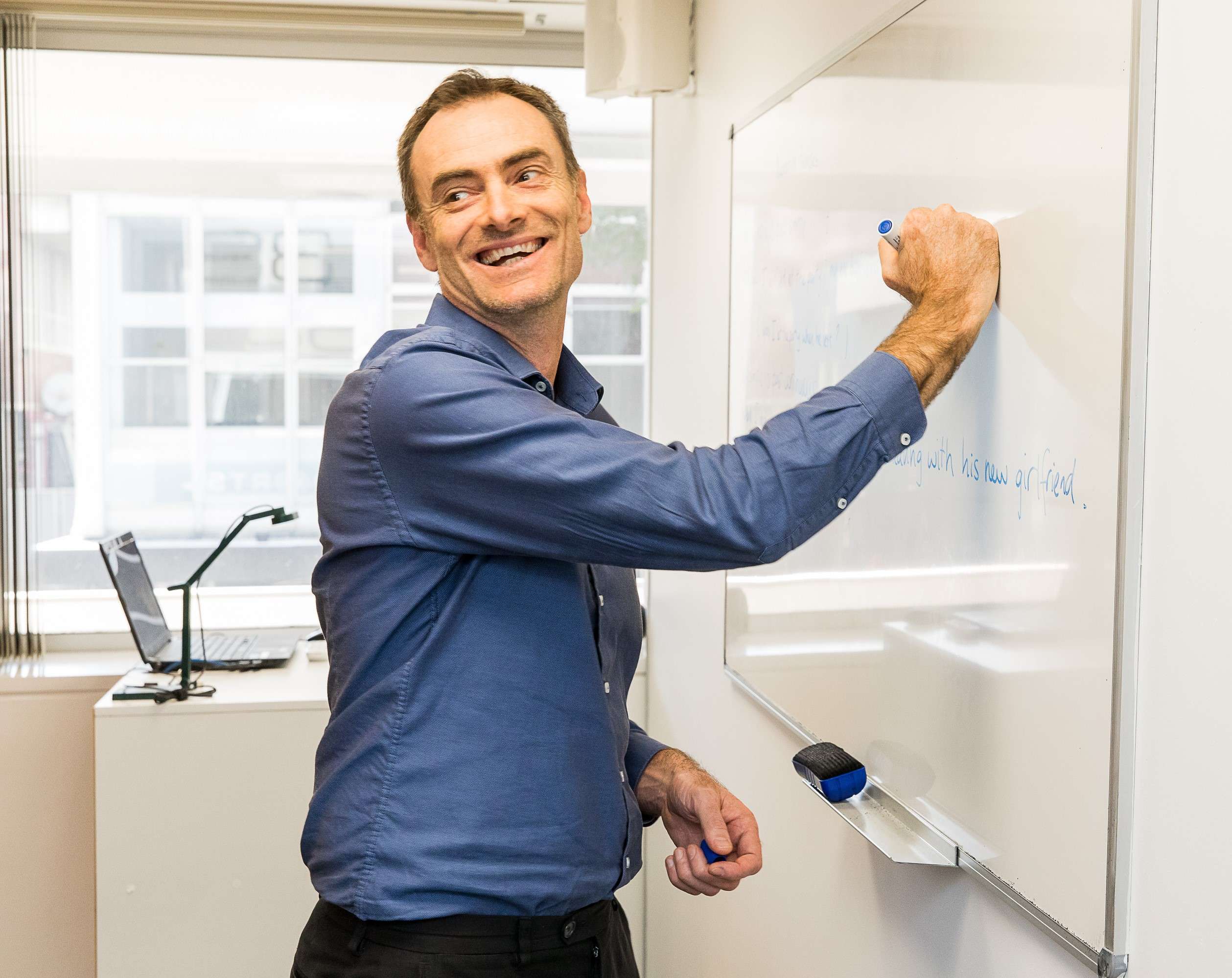
Hi, there! My name’s Andy and I’m a teacher at
Langports Brisbane.
My favourite adjective is
‘fantastic’, which I fortunately get to say a lot, as
I love English,
teaching at Langports and
especially the students! (Most of the time).
One of the things I love about my job is
sharing my language learning experiences, as I know that learning a language is not always fantastic.
So, here’s
three things I discovered while learning Spanish (I’m still learning), that just might make your English language journey a little easier.
1. Be brave

Easy for me to say because I’m not a shy person.
When I was in
South America, I ran around speaking a mixture of English and Spanish (Spanglish).
I once said ‘soy humbre’ (I am hunger) and I never forgot it.
I was translating from my native language of English to Spanish (a natural thing to do), as I thought I was saying ‘I am hungry’, when in Spanish I was saying ‘I am hunger’.
The correct Spanish phrase is ‘tengo humbre’ (I have hunger).
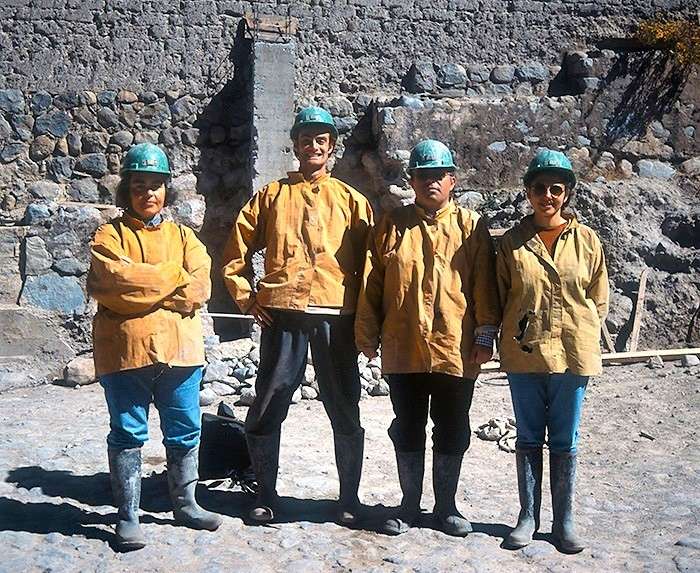
I was laughed at by my Bolivian friends and I never forgot my mistake.
I also thought
it was amazing how different the two languages looked at the same expression.
So
don’t be afraid to try and fall, you will learn faster and have more experiences because of it (maybe even make some friends, like I did).
After all,
learning is an adventure!
2. Put away the translator
As I’ve said earlier,
translating is a natural thing to do. When learning a new language, of course you will use the structure and style of your native language, it’s all you know.
This is helpful to a point.
After the pre-intermediate level, I recommend you put away the translator. Why?

Because, as I discovered living with a family in Ecuador, that
to progress with a new language you need to start thinking in that language, not yours. Learn to look with new eyes.
Some things just can’t be translated. Once you can communicate in English,
use an English thesaurus to help you find new words.

Here you’ll find lots of synonyms (similar words to others you already know) and idioms.
The sooner you let go of your native language ideas, the faster you’ll progress with English.
Once I started doing that in Ecuador, I realised just
how fascinating language and culture really is!
3. Read, everyday
Probably the biggest piece of advice I give to my students is
to read.
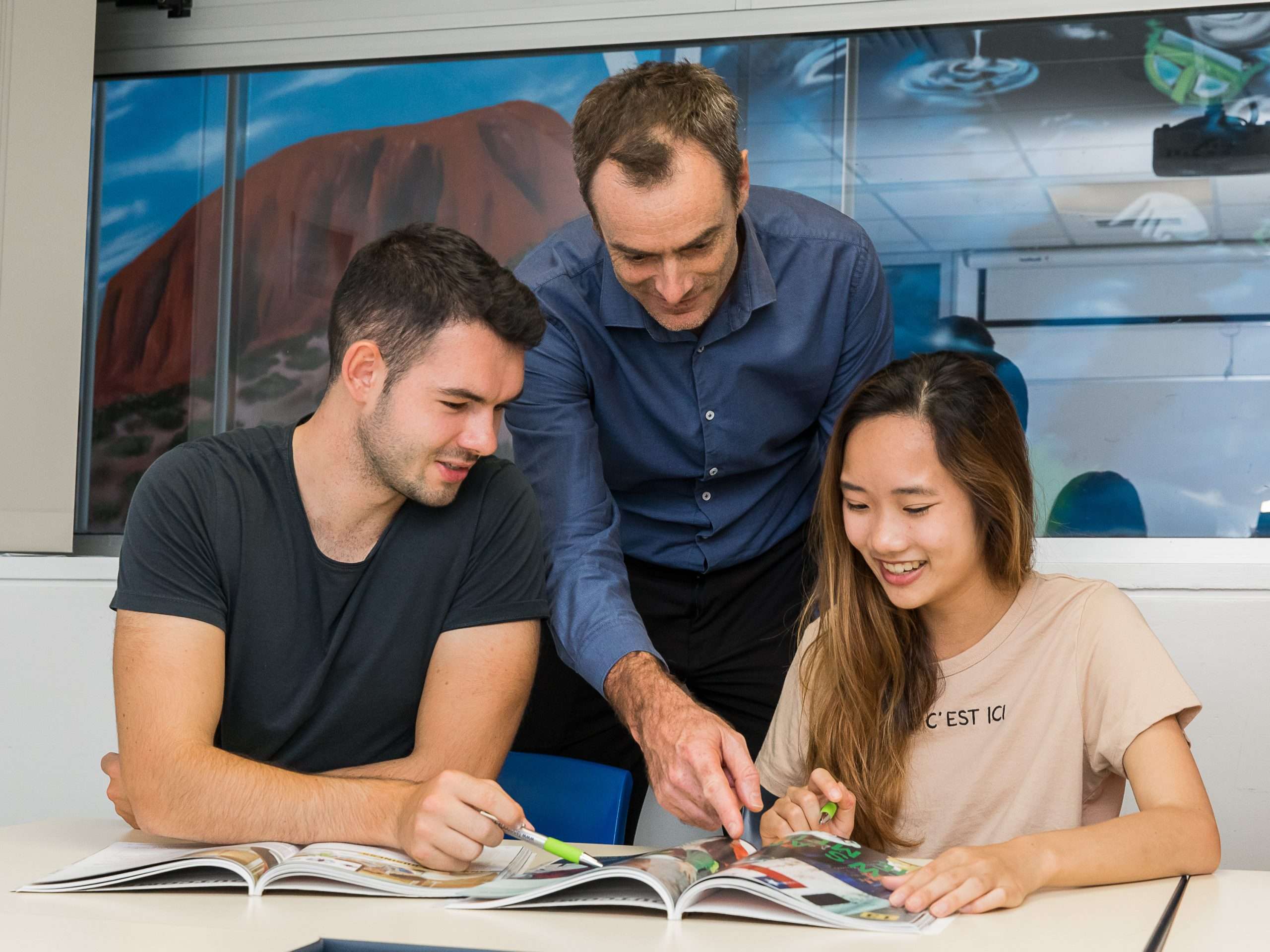
“How do I improve my writing teacher?”
Read.
“How do I improve my speaking teacher?” Of course speaking and listening helps, but
so does reading.
“How do I improve my grammar, teacher”?
Again, I say read.
When you read, you’re becoming
familiar with the structures, patterns and vocabulary of a native speaker.
I can tell when a native speaker reads a lot, because they
speak and write, really, really well. Much better than people who don’t read.
One thing about reading is, it’s hard. So my advice is to
read one level below your current USE level, or general English level.
If you are an intermediate level student, go to
Langports’ Library and borrow a pre-intermediate book. You will still learn a lot and it will be easier.
Also
choose a topic you like – fantasy, romance, adventure – then
read, everyday. After a few months, you’ll be amazed how much you’ve improved!

I remember buying a children’s book when I was
studying Spanish in Mexico, called La Chistera Maravillosa – ‘the marvellous joke’.
I read this every day and it was very hard at first. But after a few times,
I began to notice the patterns, the words and I began to see and use them in my everyday life.
I improved, but only after time.
Reading takes at least three months of consistent effort to improve. However, once you start improving, you’ll see
your English take off like a rocket!
Hopefully some of my experiences will help you on your
English language adventure.
Hope to see you around Langports!
Fantastic!
Andy – English Teacher at
Langports Brisbane
Related blog posts:
10 Tips To Improve Your English
Tips for Improving Listening
Tips For Improving Your Speaking